
No results found. Please try another keyword
Lightweight profile for mounting assemblies.
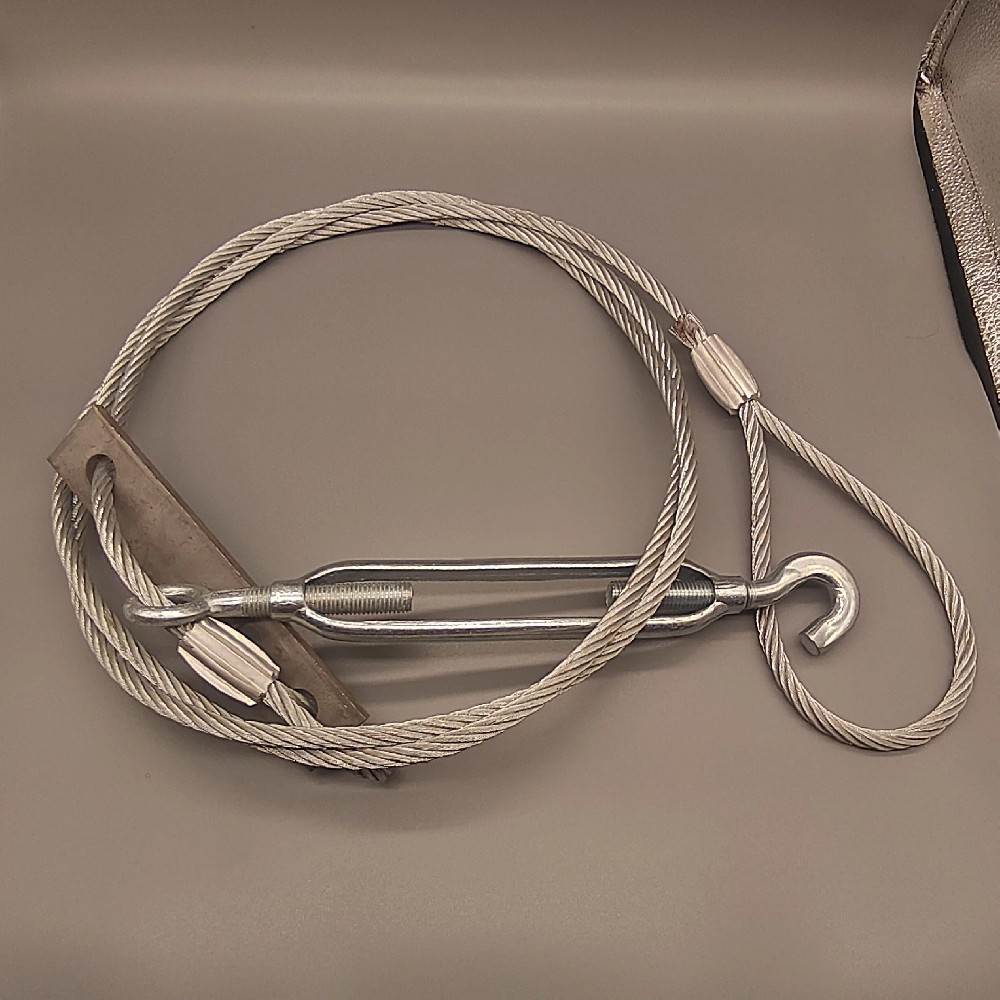
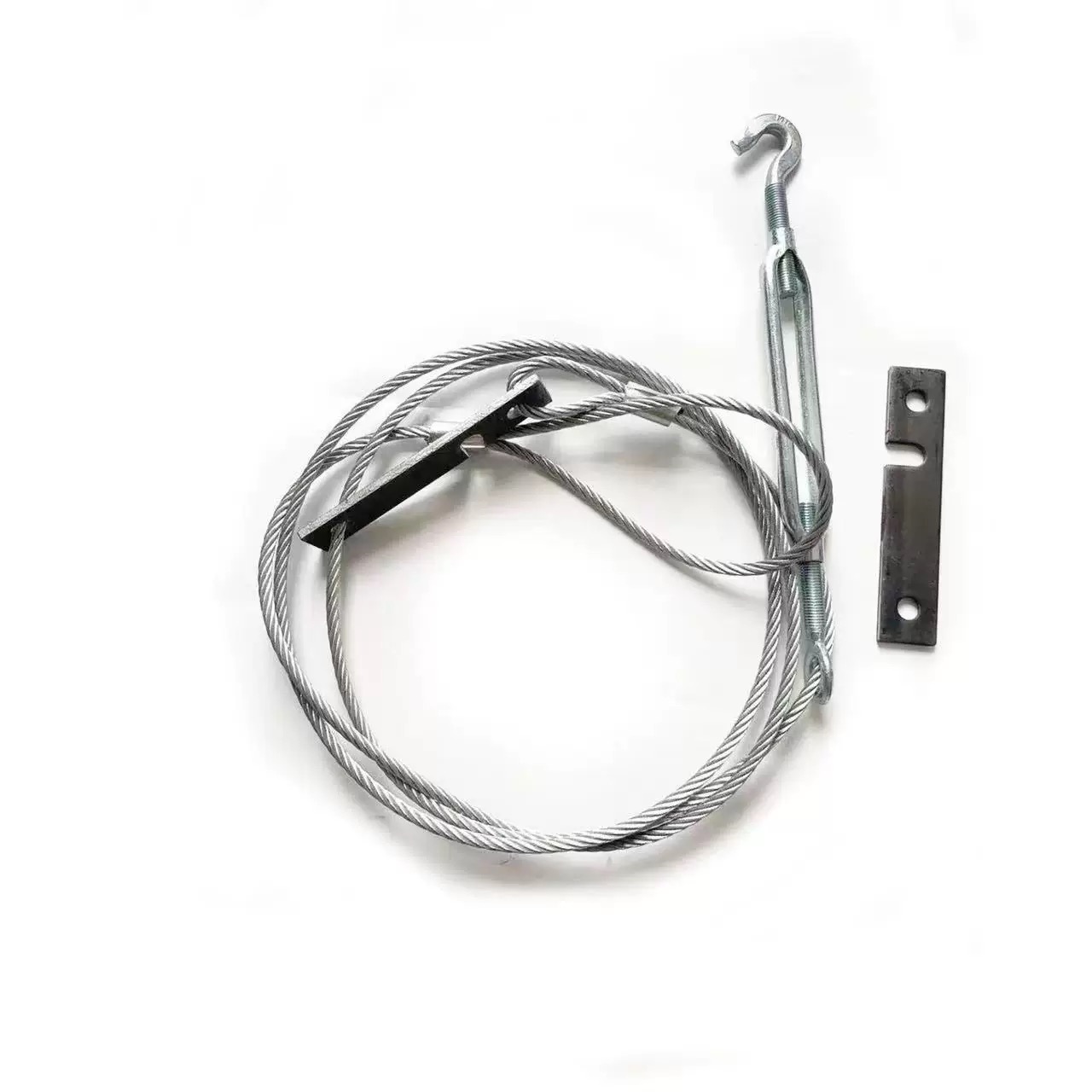
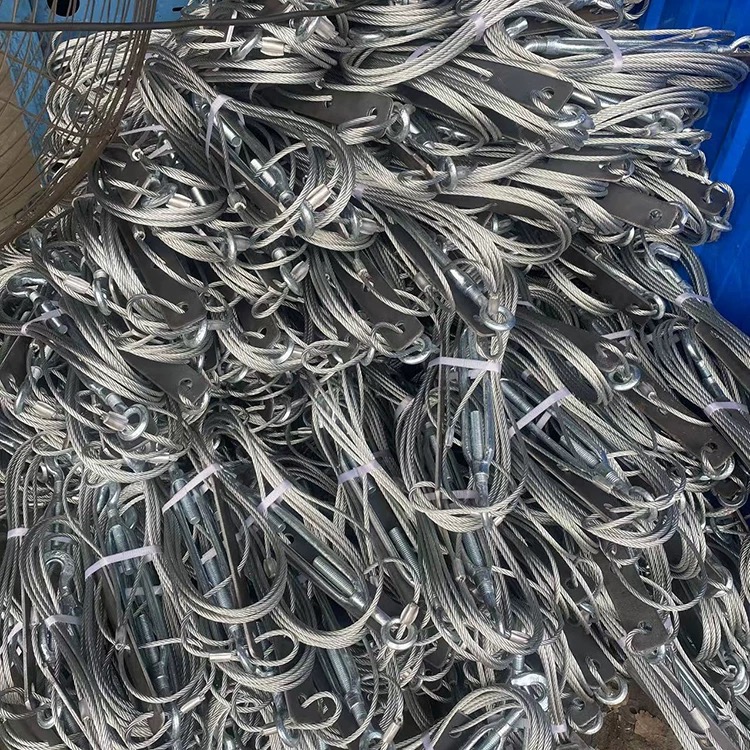
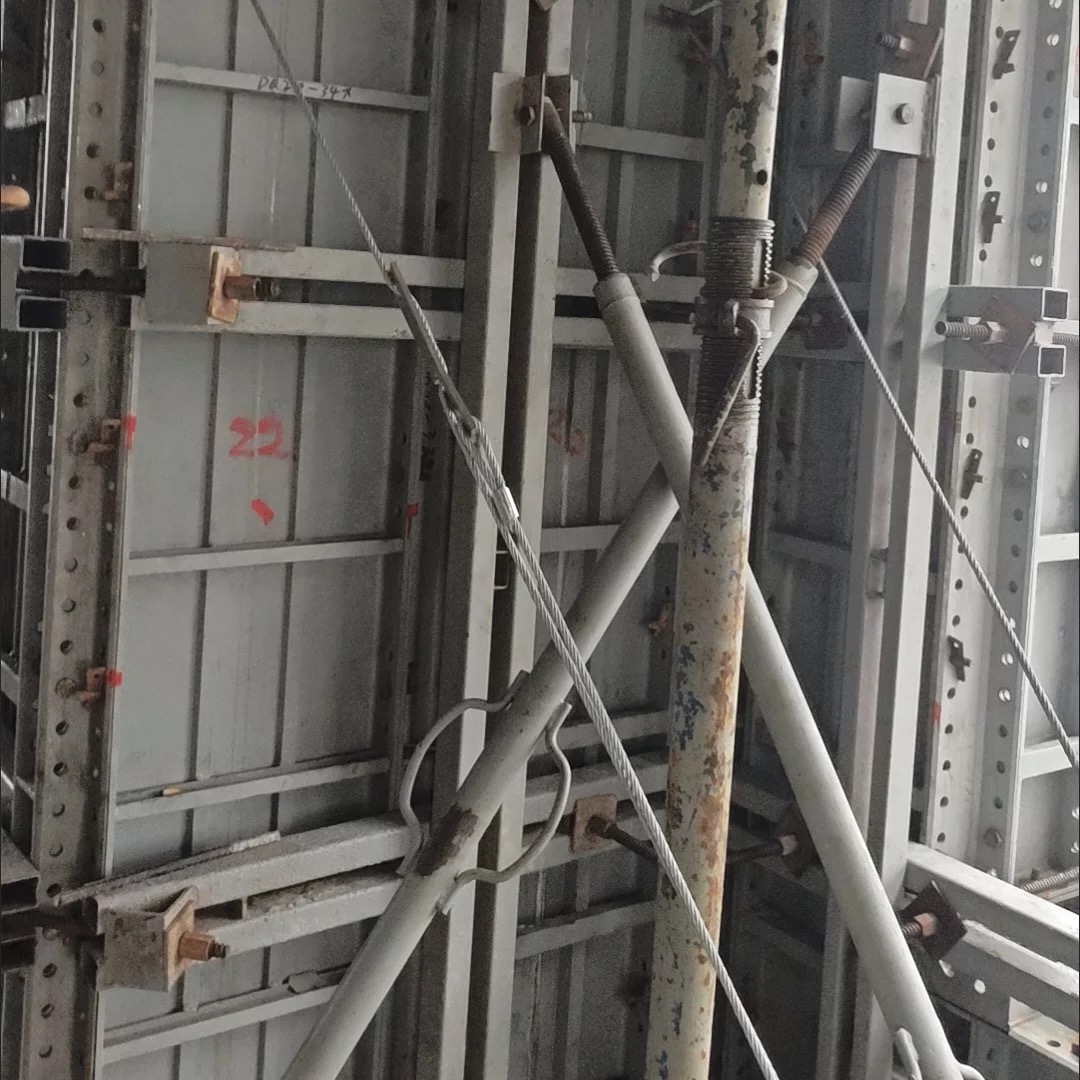
The specifications and models of turnbuckle bolts are usually indicated by the thread diameter, such as M6-M36, with specific models corresponding to different load capacities and installation dimensions.
Basic Specifications and Models
The specifications and models of turnbuckle bolts are mainly represented by the nominal diameter of the screw thread. For example, M10 indicates a thread diameter of 10mm. Common specification ranges are from M6 to M64, with different models corresponding to different **Safe Working Load (SWL)** and installation dimensions.
Main Dimensional Parameters
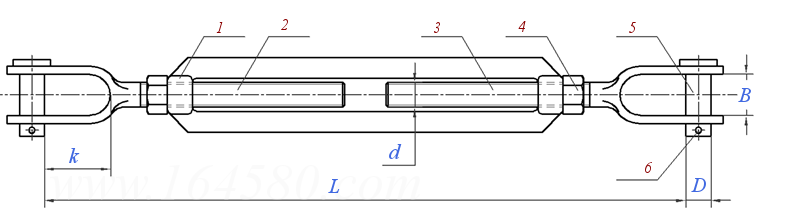
Screw thread diameter (d): Determines the load-bearing capacity of the bolt.
Nut across flats (A/B): The distance between two parallel sides of the turnbuckle body, affecting the wrench size required for installation.
Screw length (L1-L2, L3-L4, L5-L6): Refers to the distance between the pin hole or hook center at both ends of the screw in its initial position, which can be selected according to the actual connection point.
Maximum adjustment: The maximum amount by which the total length of the screw can increase or decrease by rotating the turnbuckle body.
Adjustment direction: The thread direction at both ends is usually left-hand and right-hand to ensure synchronous extension and retraction.
Material and Surface Treatment
Common materials include Q235 carbon steel, 45# steel, stainless steel (304, 316), etc. For outdoor or humid environments, it is recommended to choose hot-dip galvanized or stainless steel materials to prevent corrosion and ensure adjustment functionality.
Selection Suggestions
Length selection: The screw length should be slightly shorter than the actual distance between connection points, leaving 70%-80% of adjustment allowance.
Material selection: Choose carbon steel, alloy steel, or stainless steel based on the usage environment, and consider anti-corrosion treatment.
Load capacity: Select the appropriate model according to load requirements to ensure safety factors.
Adjustment direction: Confirm the thread direction at both ends to ensure synchronous extension and retraction when rotating the turnbuckle body.
Turnbuckle bolts are widely used in ports, power plants, ships, metallurgy, and other fields, serving as important adjustable connectors in rigging and lifting equipment.
Aluminum Formwork Soft Support
The term "soft support" for aluminum formwork does not mean the support itself is made of soft materials, but rather refers to a flexible aluminum formwork reinforcement device that can adapt to non-standard sizes.
It primarily solves the pain point in traditional aluminum formwork construction where wooden wedges have to be used for non-standard dimensions, leading to poor accuracy and significant waste.
Based on existing technologies and products, here is a detailed introduction:
1. Core Definition & Principle
It is a retractable, adjustable reinforcement connection device. The core typically consists of a telescoping structure (e.g., an inner tube sliding within an outer sleeve).
Length is locked by inserting bolts or pins through aligned holes at specific positions, allowing stepless adjustment to fill gaps that standard aluminum formwork panels cannot cover.
2. Main Structural Components
Based on relevant patents (e.g., CN111364763B), a typical soft support device includes the following parts:
· Telescoping Body: Composed of a first square tube and a second square tube that fit together. Length is locked by bolts passing through pre-drilled holes in the overlapping section.
· Support Ends: Rotatable support plates at both ends that can closely contact the formwork or wall to ensure even force distribution.
· Auxiliary Support Legs: Foldable support struts located on the sides of the main body. When deployed, they brace against the floor or wall to increase stability and prevent long rods from bending under load.
· Fine Adjustment Mechanism: Typically includes a threaded sleeve at the end, allowing minor length adjustments during installation to ensure a tight fit.
3. Main Advantages
Compared to traditional wooden backing strips or custom-made fixed-length steel tie rods, soft support offers the following benefits:
· Strong Adaptability: Can be adjusted on-site for hundreds of different non-standard dimensions without cutting or special ordering.
· High Turnover Rate: While wooden strips degrade after a few uses, aluminum soft support devices can be reused hundreds of times without damaging the aluminum formwork.
· High Construction Efficiency: Adjustment and locking are quick actions, enabling tool-free operation for high efficiency.
· Environmentally Friendly: Significantly reduces wood consumption and construction waste, conforming to green construction standards.
4. Main Product Types & Applications
Beyond the connection/reinforcement devices described above, more integrated support systems are also available on the market:
· Aluminum Shoring Systems: Independent telescopic support props. For example, the GASS system consists of outer legs, inner legs, etc., with spring pins for height adjustment. Used with aluminum beams, they offer high load capacity and fast assembly/disassembly.
· High-Capacity, Quick-Strip Supports: Such as the Aludeck system. It requires only about 0.3 support points per square meter (low density) and allows particularly fast stripping, making it ideal for slab formwork.
5. Key Design Considerations
· Locking Mechanism: Must have a reliable anti-loosening design (e.g., double nuts, spring pins) to prevent loosening due to concrete pouring vibration.
· Stiffness Matching: Although called "soft" connection, the body stiffness must be sufficient to prevent bending deformation during pouring.