
No results found. Please try another keyword
Structural characteristics and types of threaded nailsA thread is a shape with a uniform spiral bulge on a cross-section of a solid outer or inner surface. According to their structural characteristics and uses, they can be divided into three main categories:(1) Ordinary thread: the tooth shape is t
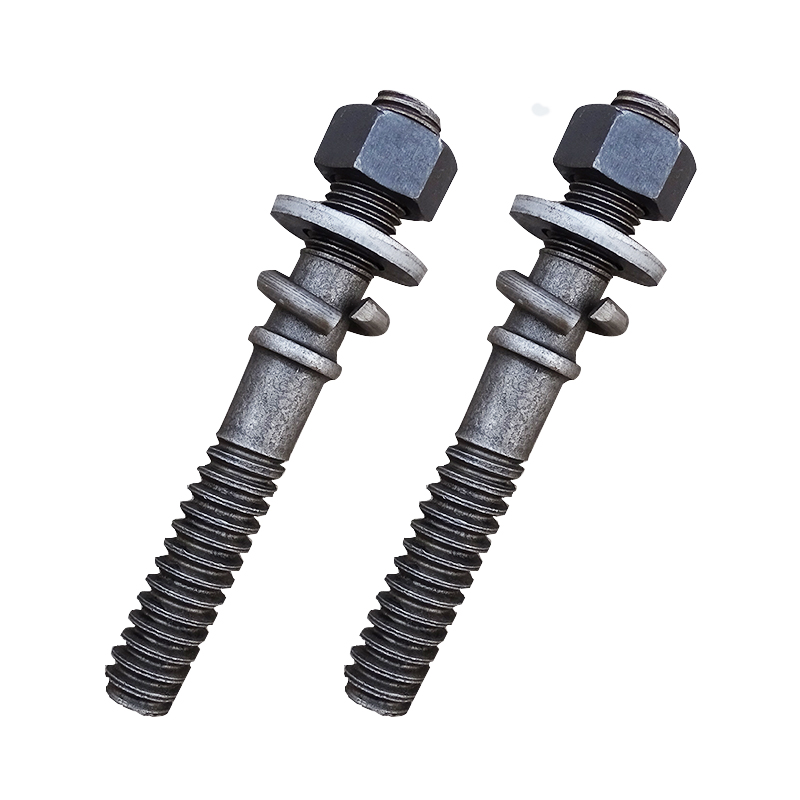
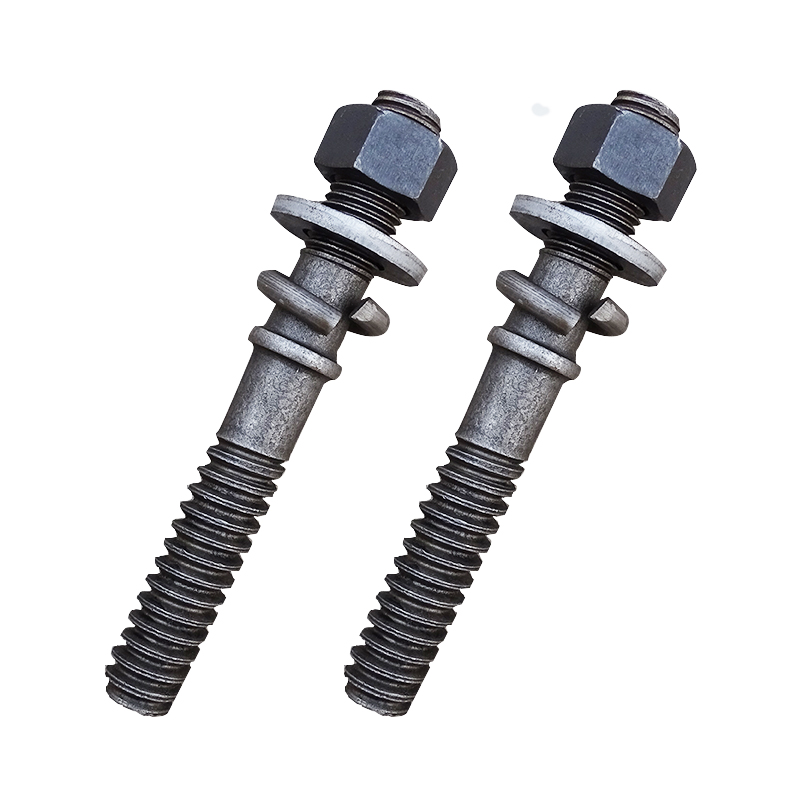
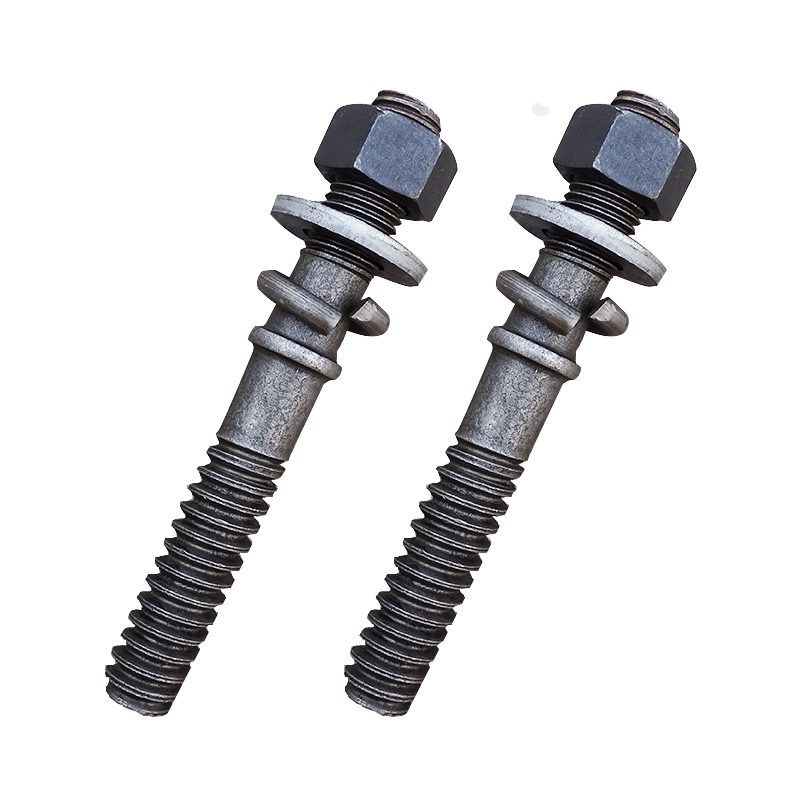
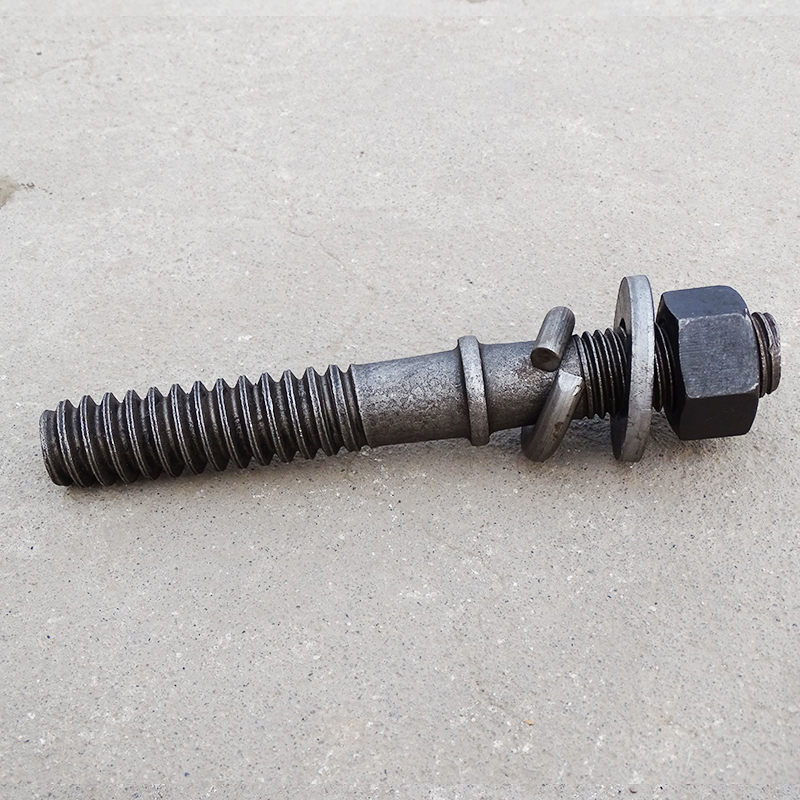
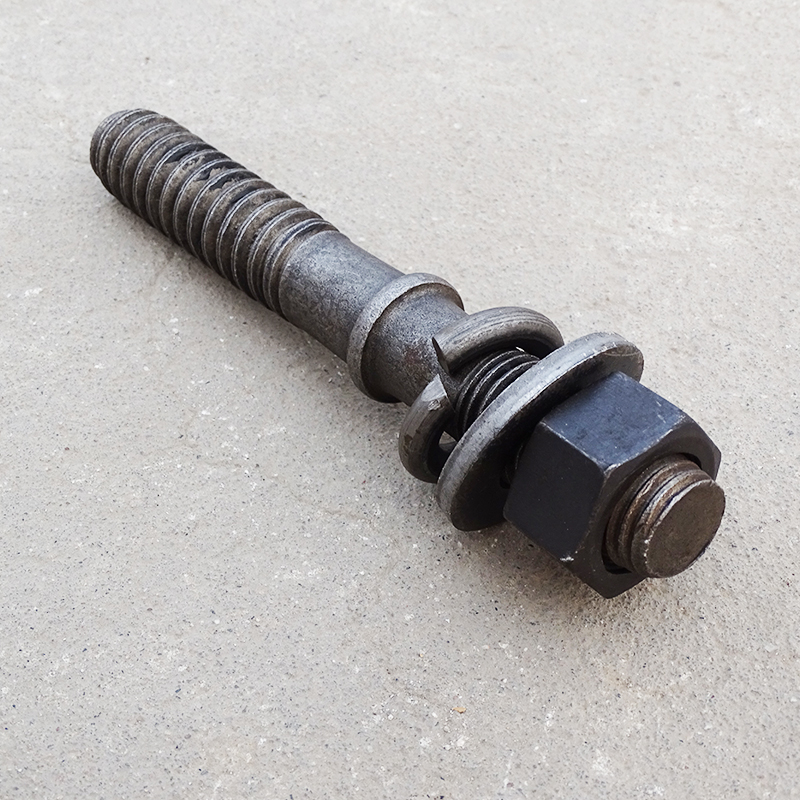
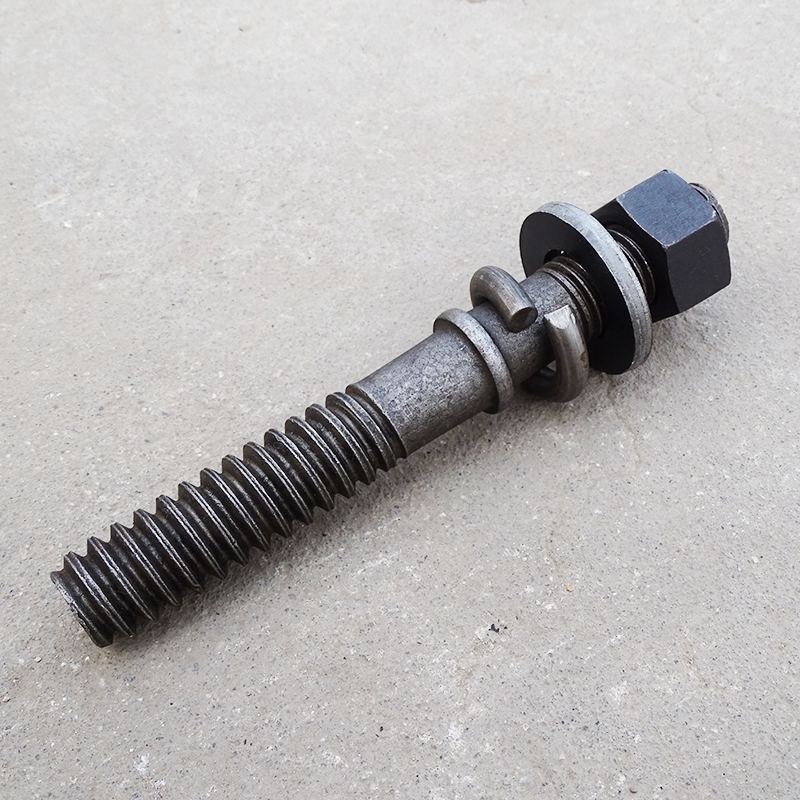
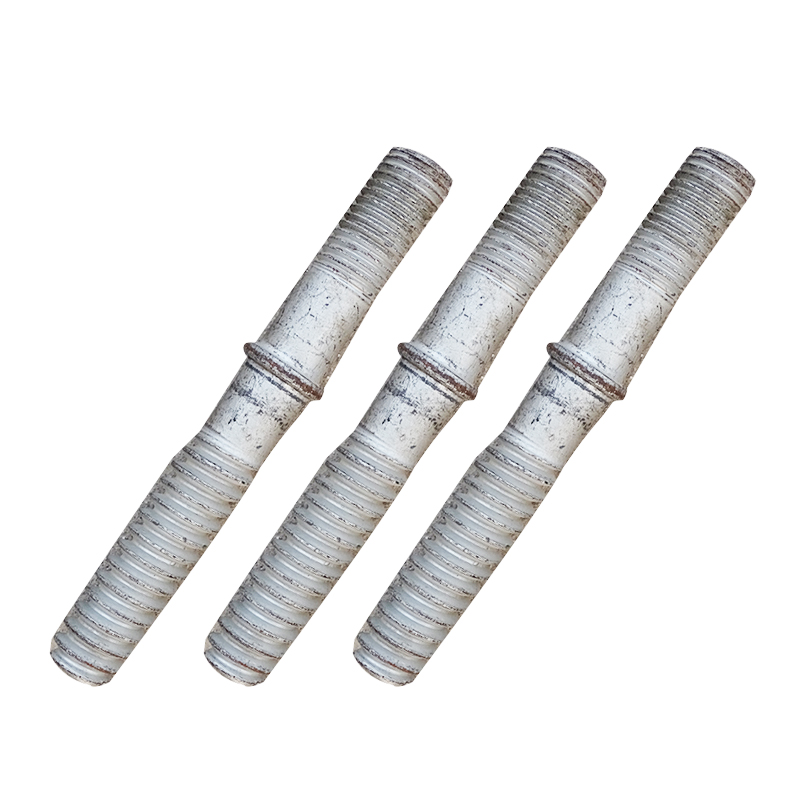
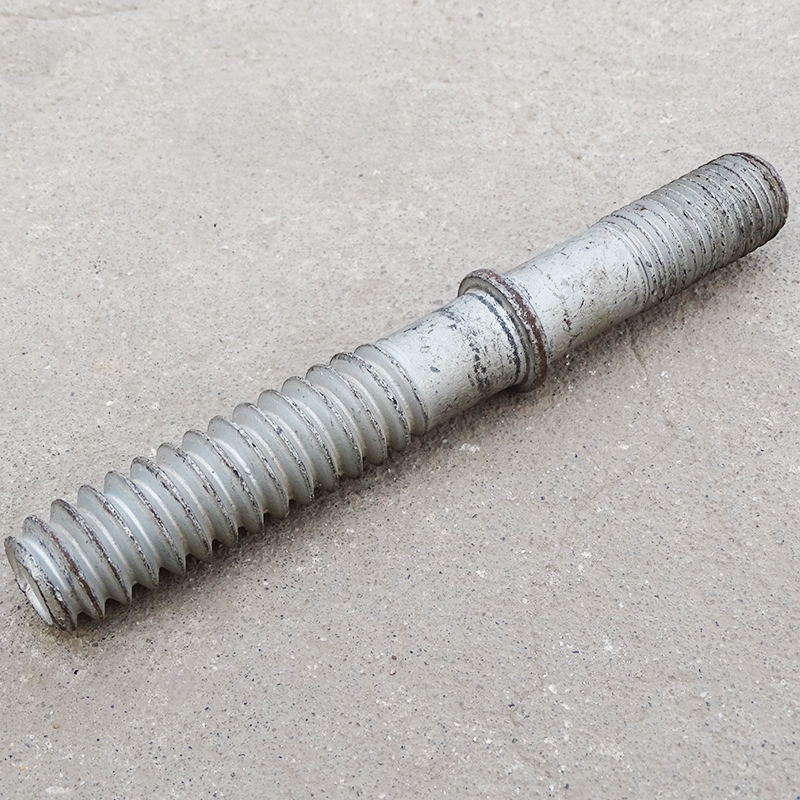
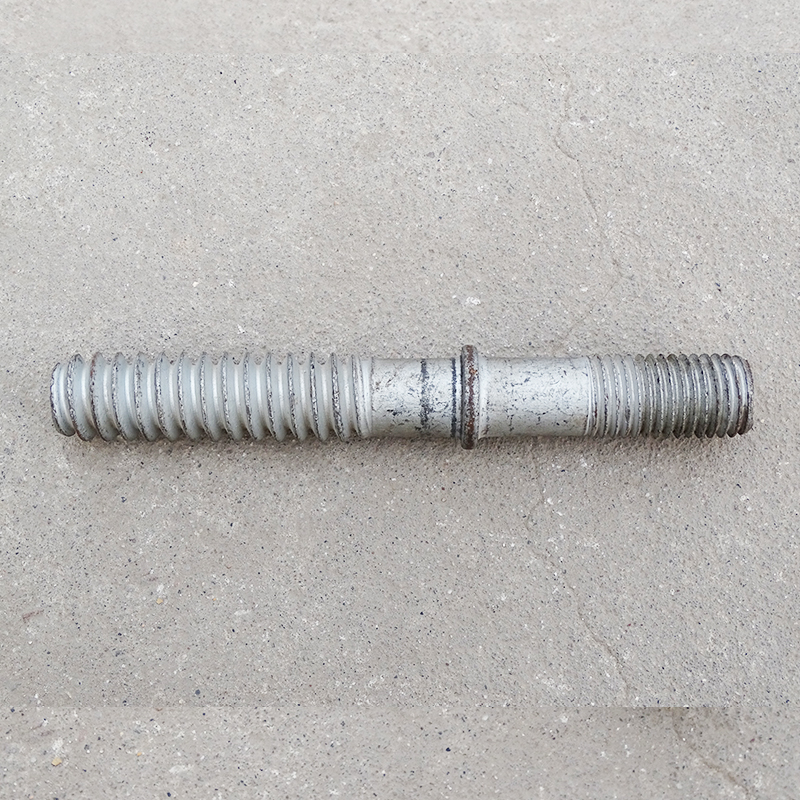
Main Geometric Parameters of Threaded Nails:
(1) Major Diameter/External Thread Diameter (D, d): This is the diameter of an imaginary cylinder that coincides with the crest of the external thread or the root of the internal thread. The major diameter basically represents the nominal diameter of the thread.
(2) Pitch Diameter (D2, d2): D2 = d2 = D(d) - 2×3H/8, where H is the original triangle height: H = (√3 / 2)P = 0.866025P (60° thread angle); H = 0.960491P (55° thread angle).
(3) Minor Diameter/Root Diameter (D1, d1): This is the diameter of an imaginary cylinder that coincides with the crest of the internal thread or the root of the external thread.
(4) Pitch (P): The axial distance between corresponding points on the pitch diameter of adjacent threads, or the distance between adjacent crests or roots. In the imperial system, the pitch is indicated by the number of threads per inch (25.4 mm).
(5) Thread Flank Angle (α/2): The angle between the flank and a line perpendicular to the thread axis. The half-angle of a standard thread is 60°/2, and for Whitworth threads (BSW) it is 55°/2. Generally, the crest angle of wood screws is 60°, and the tip angle is 60°.
(6) Thread Engagement Length: The length along the thread axis over which two mating threads are engaged.
Main Geometric Parameters of Threaded Nails (Self-tapping, Self-drilling):
(1) Major Diameter/External Thread Diameter (d1): The diameter of an imaginary cylinder that coincides with the thread crest. The major diameter generally represents the nominal thread size.
(2) Minor Diameter/Root Diameter (d2): The diameter of an imaginary cylinder that coincides with the thread root.
(3) Pitch (p): The axial distance between corresponding points on the pitch diameter of adjacent threads. In the imperial system, the pitch is indicated by the number of threads per inch (25.4 mm).
Self-drilling Screws: Self-drilling screws have two types, CSD (machine thread) and BSD (self-tapping AB thread). Their pitch or thread count can refer to machine screws (CSD thread) and self-tapping screws (BSD thread) respectively.
(4) Crest Angle and Tip Angle: The crest angle is the angle between flanks of the threads, and the tip angle is the apex angle at the end of the thread.
1. Self-tapping threads: Crest angle 60°, tip angle 45° ± 5°.
2. Wallboard screws: Crest angle 60° (can also be produced according to customer requirements, e.g., 45° ± 5°), tip angle 25° ± 3°.
3. Chipboard screws: Crest angle 40° ± 3°, tip angle 25° ± 3° or 34° ± 3° (special customer requirements).
4. Self-drilling screws: Crest angle 60° ± 5°, the tip is selected according to different product specifications using different types of drill points, with the main geometric parameters of the drill point being the
Structural characteristics and types of threaded nails
A thread is a shape with a uniform spiral bulge on a cross-section of a solid outer or inner surface. According to their structural characteristics and uses, they can be divided into three main categories:
(1) Ordinary thread: the tooth shape is triangular, which is used to connect or fasten parts. Ordinary threads are divided into two types according to the pitch: coarse threads and fine threads, and the connection strength of fine threads is higher.
(2) Transmission thread: the tooth shape includes trapezoidal, rectangular, saw-shaped and triangular.
(3) Sealing thread: used for sealing connection, mainly pipe threads, cone threads and cone pipe threads.
Thread fit grade:
Thread fit is the size of the loose or tight between the screwed threads, and the grade of fit is the specified combination of deviation and tolerance acting on the internal and external threads.
(1) For unified imperial threads, there are three thread grades for external threads: 1A, 2A and 3A, and three grades for female threads:
Grades 1B, 2B and 3B, all of which are clearance fits. The higher the level number, the tighter the match. In imperial threads, the deviation is specified only for grades 1A and 2A, the deviation for grade 3A is zero, and the grade deviation for grades 1A and 2A is equal. The larger the number of grades, the smaller the tolerance,
Grades 1, 1A and 1B, very loose tolerance grades, which are suitable for tolerance mating of internal and external threads.
Grades 2, 2A and 2B are the most common thread tolerance grades specified for imperial series mechanical fasteners.
Grades 3, 3A and 3B, screwed together to form the tightest fit, suitable for fasteners with tight tolerances, for safety-critical designs.
4. For male threads, there is a mating tolerance between grades 1A and 2A, and there is no mating tolerance for grade 3A. Class 1A tolerances are 50% larger than Class 2A tolerances, 75% larger than Class 3A, and for internal threads, Class 2B tolerances are 30% larger than 2A tolerances. Class 1B is 50% larger than Class 2B and 75% larger than Class 3B.
(2) Metric threads, external threads have three thread grades: 4H, 6H and 6G, and female threads have three thread grades: 5H, 6H, 7H. (The accuracy level of the daily standard thread is divided into three levels: I., II., III., and under normal circumstances, it is Class II.) In metric threads, the basic deviation between H and h is zero. The fundamental deviation of G is positive, and the fundamental deviation of e, f, and g is negative.
1. H is the commonly used tolerance band position for internal threads, which is generally not used as a surface coating or an extremely thin phosphating layer. The basic deviation of the G position is used in special occasions, such as thicker coatings, and is generally rarely used.
2. G is often used to plate 6-9um thin coating, such as the product drawing requirements are 6h bolts, and its pre-plating thread adopts 6g tolerance band.
3. The thread fit is best combined into H/g, H/h or G/h, and for bolts, nuts and other refined fastener threads, the standard recommends 6H/6g fit.