
No results found. Please try another keyword
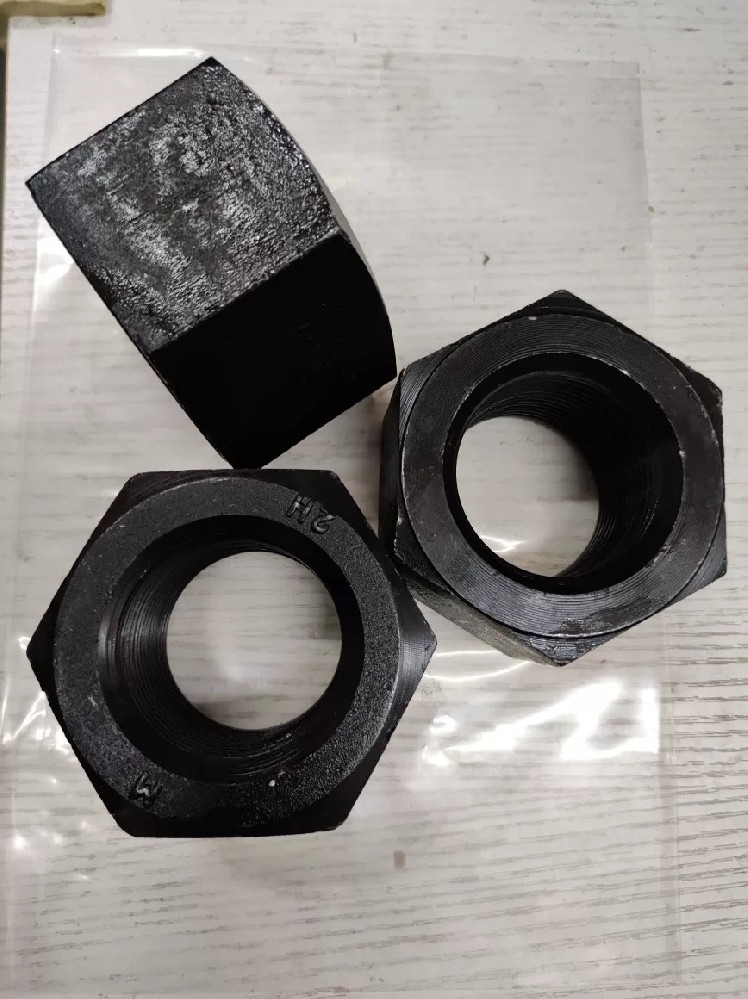
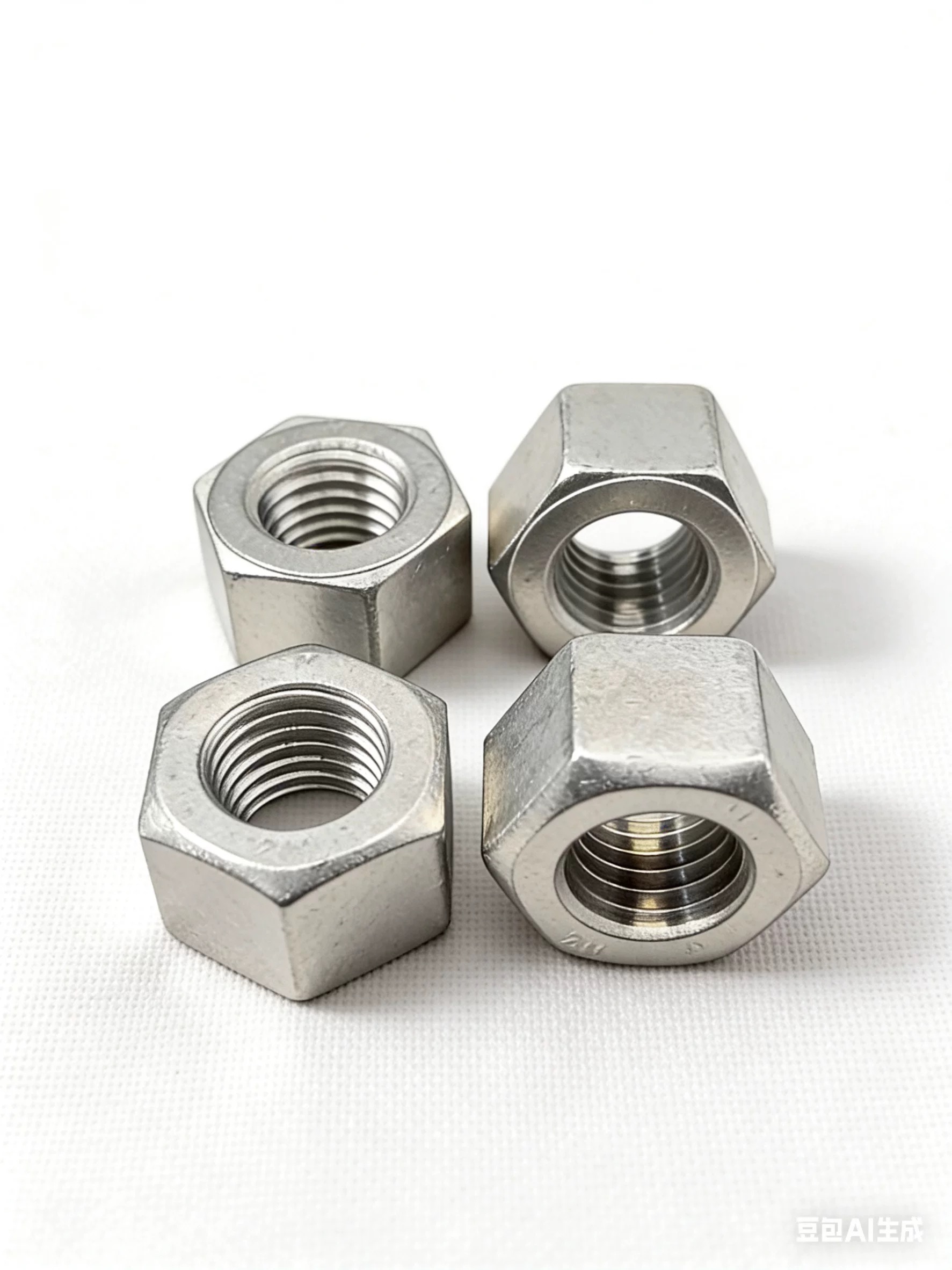
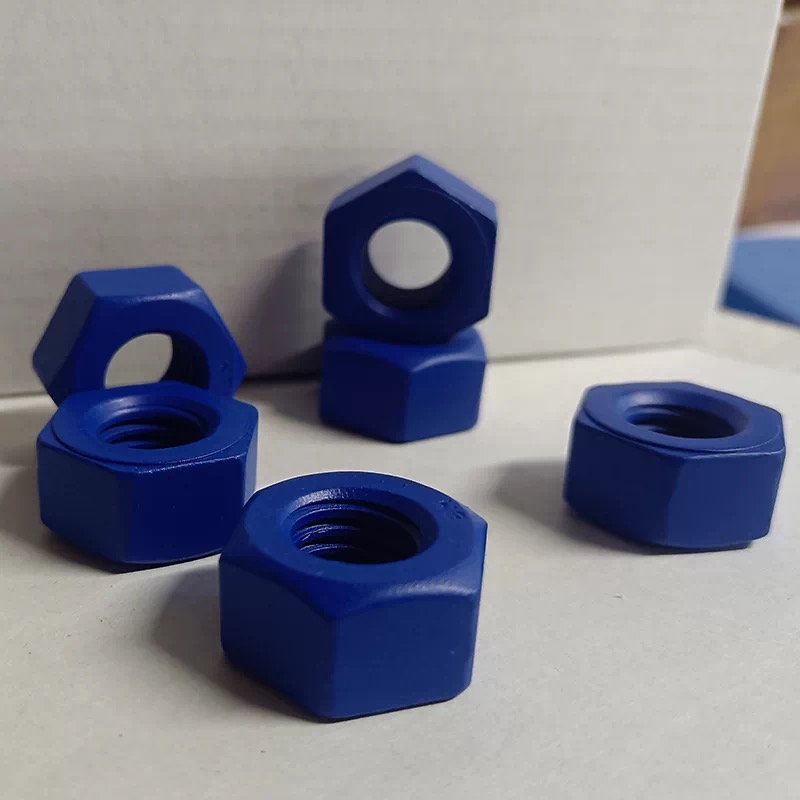
Our factory offers American heavy hex nuts, with dimensions conforming to US standards (ANSI/ASME B18.2.2). Performance standards include ASTM A563 and ASTM A194 Grade 2H. Thread types available are UNC and UNF. Surface finishes include black oxide, zinc plating, hot-dip galvanizing, and Teflon coat
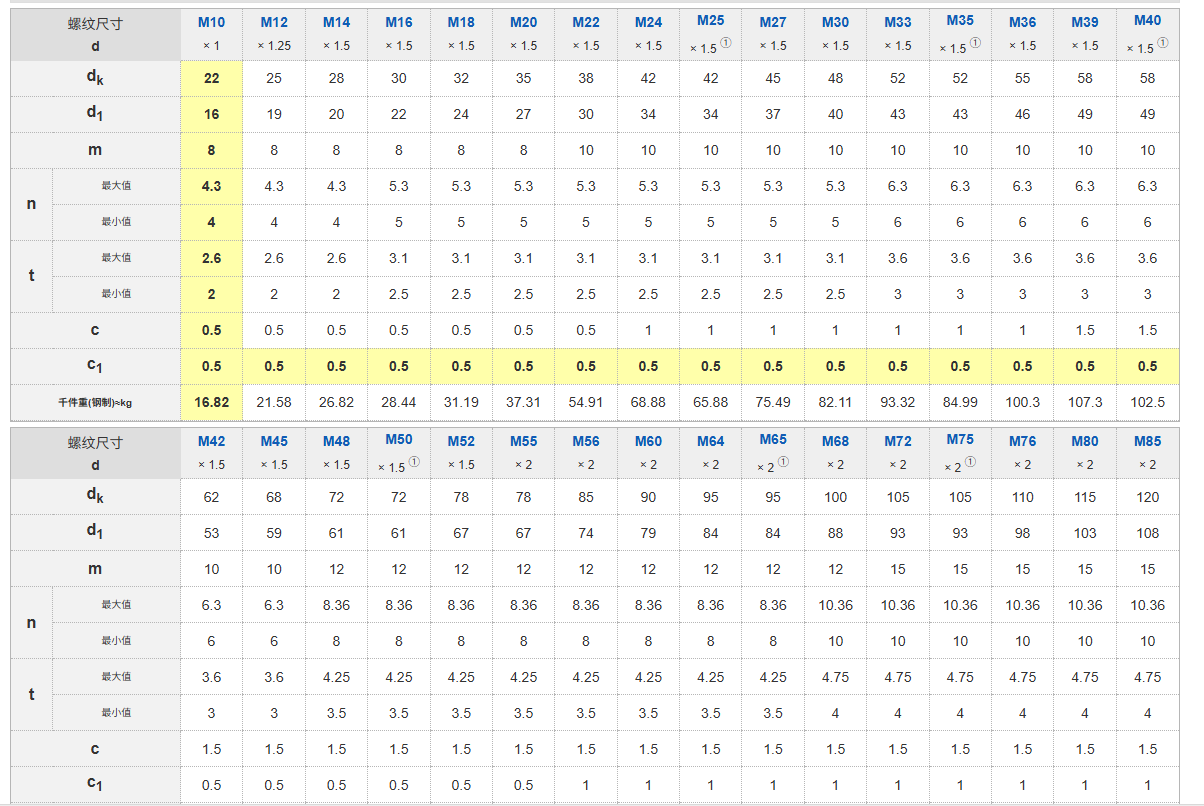
The key parameters of a nut include thread specification, nominal diameter, thickness, width across flats, pitch, and performance grade. These parameters determine the compatibility of the nut with the bolt and the strength of the connection.
Thread Specification and Nominal Diameter
The thread specification (M) indicates the nominal diameter of the nut, for example, M8 means the nominal diameter of the nut is 8mm, which is a core parameter for selecting a matching bolt. The nut's thread type can be coarse or fine, and it must match the bolt thread precisely, otherwise assembly failure or joint loosening may occur.
Width Across Flats (s)
Width across flats refers to the distance between two opposite flat surfaces of the nut, determining the wrench size required for tightening. For example, an M10 nut corresponds to a 16mm open-end wrench. Nuts of different standards and performance grades may have slightly different widths across flats, which should be chosen according to standard tables.
Thickness (m)
Nut thickness is the axial height of the nut, which directly affects the stability of the connection. Insufficient thickness may cause joint loosening, while excessive thickness may affect assembly space. Standard nuts and thin nuts have different thicknesses, with thin nuts suitable for space-constrained applications.
Pitch (P)
Pitch is the axial distance between corresponding points of two adjacent threads. Coarse and fine thread nuts have different pitches and must match the pitch of the bolt. Common pitches can be referred to in national standard tables, for example, M12 coarse pitch is 1.75mm.
Performance Grade
The performance grade of a nut indicates its mechanical strength, such as grade 5, grade 8, etc. Grades A, B, and C are suitable for different diameter ranges and strength requirements. Nuts with higher performance grades can withstand greater torque and load.
Surface Treatment
Nuts can be untreated or undergo surface treatments such as galvanizing or oxidation. Common treatments for steel nuts include untreated, zinc passivation, and oxidation; stainless steel nuts are usually untreated.
Our factory offers American heavy hex nuts, with dimensions conforming to US standards (ANSI/ASME B18.2.2). Performance standards include ASTM A563 and ASTM A194 Grade 2H. Thread types available are UNC and UNF. Surface finishes include black oxide, zinc plating, hot-dip galvanizing, and Teflon coating. Stocked sizes: 1/2", 5/8", 3/4", 7/8", 1", etc. Customization in various materials is accepted.